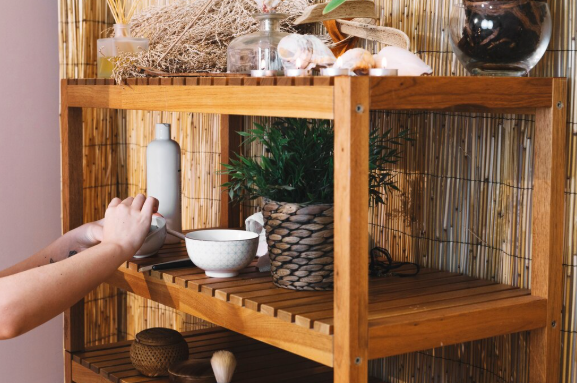
A solid wood hall tree can turn an ordinary entryway into a more organized, attractive, and functional part of the home. Combining storage, seating, hanging space, and sometimes shelving in one piece of furniture, a well-designed hall tree can help keep coats, shoes, bags, hats, and everyday accessories under control.
Unlike lightweight furniture made primarily from engineered materials, solid timber construction can provide a substantial feel and a natural appearance that works with many interior styles. However, not every wooden hall tree is equally durable or practical. The type of wood, construction method, dimensions, finish, storage configuration, and placement all matter.
Whether you have a spacious foyer or a narrow apartment entrance, choosing the right design can make daily routines easier while adding character to your home.
What Is a Hall Tree?
A hall tree is an entryway furniture unit designed to provide multiple storage functions in one location. Traditional designs often combine a bench with an upper section containing hooks or hangers.
Modern versions can include additional features such as:
- Shoe compartments
- Drawers
- Cabinets
- Open shelves
- Coat hooks
- Mirrors
- Storage baskets
- Cushioned seating
- Overhead shelving
The result is a compact organization station where frequently used outdoor items can be stored close to the door.
Why Choose Solid Wood Construction?
Wood furniture is popular because it combines practical durability with a natural appearance. Solid timber can also develop character over time, particularly when maintained properly.
Durability
A well-built wooden unit can withstand regular use, especially when joints and hardware are properly constructed.
This is important in an entryway because furniture placed near the front door may experience frequent contact with shoes, bags, coats, backpacks, and other everyday items.
Natural Appearance
Wood has variations in grain, knots, color, and texture. These differences can give each piece a distinctive appearance.
Depending on the finish, the furniture can complement rustic, farmhouse, traditional, transitional, Scandinavian, or contemporary interiors.
Long-Term Use
A quality piece can remain useful even as your decorating style changes. Neutral wood tones can work with different wall colors, flooring, rugs, and accessories.
Popular Wood Choices
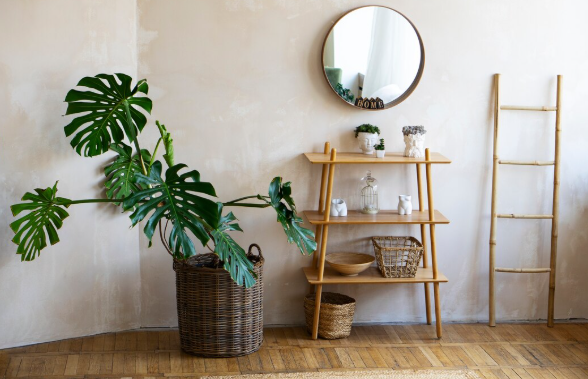
Different species provide different combinations of appearance, hardness, weight, and price.
| Wood Type | Appearance | General Characteristics |
|---|---|---|
| Oak | Prominent grain | Durable and versatile |
| Pine | Light, knotty grain | Often more affordable |
| Maple | Fine, subtle grain | Hard and clean-looking |
| Walnut | Dark, rich tones | Premium appearance |
| Rubberwood | Relatively uniform grain | Common in furniture manufacturing |
| Acacia | Varied natural grain | Distinctive and durable |
The best choice depends on your budget, desired appearance, and expected use.
Choosing the Right Size
One of the most important considerations is available space.
Before purchasing furniture for an entryway, measure:
- Available wall width
- Floor depth
- Ceiling height
- Door swing
- Walking clearance
- Nearby furniture
- Distance from stairs or hallways
A beautiful piece can become inconvenient if it blocks a doorway or makes the entrance difficult to navigate.
Small Entryways
For narrow spaces, look for a compact unit with a shallow profile. Wall-mounted hooks combined with a small bench can provide similar functionality without occupying as much floor space.
Large Foyers
A wider design can incorporate multiple hooks, drawers, shelves, and a comfortable bench. Larger units can also become a visual focal point.
Storage Features to Consider
The right configuration depends on what your household needs to store.
Coat Hooks
Hooks provide quick access to jackets, hats, scarves, and bags. Multiple hooks can be especially useful for families.
Consider hook spacing carefully. If hooks are positioned too close together, bulky coats can interfere with one another.
Shoe Storage
A lower cabinet or open shelf can help keep footwear organized.
Closed storage gives the entryway a cleaner appearance, while open shelving makes frequently used shoes easier to access.
Drawers
Drawers are useful for smaller items such as:
- Gloves
- Keys
- Sunglasses
- Pet accessories
- Winter accessories
- Small household items
Cabinets
Cabinet doors conceal clutter and can create a more streamlined appearance.
If you have children or pets, closed storage can also help keep certain items away from the main walking area.
The Importance of the Bench
A built-in bench is one of the most useful hall-tree features.
It gives you a place to sit while putting on or removing shoes and can make the entryway more convenient.
Bench Height
A comfortable seating height is important. If the bench is too high or too low, putting on shoes can become uncomfortable.
Bench Depth
A deeper bench may provide more comfortable seating but also occupies additional floor space.
Cushioned vs. Wooden Seating
A wooden seat is easy to clean and has a simple appearance. A cushion adds comfort and can introduce color or texture.
For households with children or pets, removable and washable cushions may be particularly practical.
Style Options
Entryway furniture does not have to look purely functional.
Farmhouse Style
Farmhouse-inspired designs often feature visible wood grain, simple profiles, neutral finishes, and traditional hardware.
Modern Style
Modern pieces generally use cleaner lines and less decorative detailing. Natural wood combined with black or metal hardware can create a contemporary look.
Rustic Style
Rustic designs may emphasize knots, distressed finishes, heavier construction, and natural imperfections.
Traditional Style
Traditional furniture often incorporates decorative molding, turned details, framed panels, or classic hardware.
Scandinavian-Inspired Style
These designs typically emphasize simplicity, light wood tones, clean lines, and practical storage.
Matching a Hall Tree With Your Interior
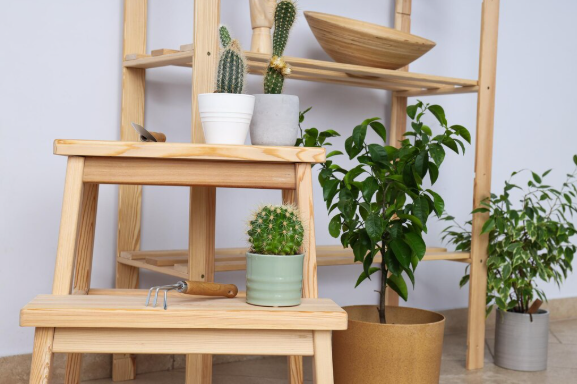
The furniture should work with the rest of your entryway rather than looking disconnected.
Consider coordinating it with:
- Flooring
- Door color
- Wall paint
- Trim
- Lighting
- Area rugs
- Nearby furniture
- Hardware finishes
You do not necessarily need an exact wood match. Combining complementary wood tones can create a layered appearance, while matching tones can create a more uniform look.
Entryway Organization Ideas
Once the furniture is installed, organization becomes just as important as the design.
Assign specific areas for different categories of belongings.
For example:
- Upper hooks: coats and jackets
- Lower shelves: everyday shoes
- Drawers: keys and small accessories
- Bench area: bags
- Top shelf: seasonal items
Avoid filling every available space. Leaving some open capacity makes the storage system easier to maintain.
Safety and Stability
Tall entryway furniture should be stable, particularly in homes with young children or pets.
A freestanding unit may need to be secured to the wall according to the manufacturer’s instructions.
Pay attention to:
- Stability
- Weight distribution
- Hardware quality
- Wall attachment requirements
- Load limits
- Floor level
Never assume that a heavy piece of furniture cannot tip. Proper installation and anchoring can improve safety.
Maintenance and Care
Wood furniture can last longer when maintained appropriately.
Dust Regularly
Use a soft cloth to remove dust and loose debris. Avoid abrasive materials that could scratch the finish.
Clean Spills Quickly
Moisture should not be left sitting on wooden surfaces. Wipe spills promptly using the cleaning method recommended for the finish.
Avoid Harsh Cleaners
Strong chemicals can damage certain finishes. Always follow the manufacturer’s care instructions.
Protect the Bench
If the bench is frequently used, consider a cushion or protective pad to reduce direct wear.
Solid Wood vs. Engineered Wood
Not every wooden-looking hall tree is made from solid timber.
Engineered wood products can offer advantages such as consistent construction, lower cost, and reduced weight. Solid timber, on the other hand, has a natural grain and can provide a substantial furniture feel.
| Consideration | Solid Wood | Engineered Wood |
|---|---|---|
| Natural grain | Yes | May use veneer or printed surface |
| Weight | Often heavier | Often lighter |
| Appearance | Naturally varied | More uniform |
| Price | Often higher | Often lower |
| Repairability | Can often be sanded/refinished | Depends on material |
| Moisture resistance | Depends on species and finish | Depends on construction |
Neither category automatically makes a product suitable for every home. Construction quality and intended use remain important.
How to Shop for the Right Piece
Before purchasing, make a checklist based on your household.
Step 1: Measure the Space
Write down the maximum width, depth, and height available.
Step 2: Identify Your Storage Needs
Determine whether you primarily need hooks, shoe storage, seating, drawers, or cabinets.
Step 3: Consider Household Size
A single person may need only a few hooks, while a family may require several dedicated storage areas.
Step 4: Choose a Suitable Wood
Consider appearance, durability, maintenance, and budget.
Step 5: Check Construction
Look at joints, hardware, drawer operation, hook attachment, and overall stability.
Step 6: Review Assembly Requirements
Some large furniture pieces require significant assembly. Make sure you understand what is involved before purchasing.
Common Mistakes to Avoid
Buying Without Measuring
Even a small measurement error can cause problems in a narrow hallway.
Prioritizing Appearance Over Function
A beautiful piece with insufficient storage may become frustrating to use.
Ignoring Weight
Solid furniture can be heavy. Check whether your floor and installation location are suitable.
Overloading Hooks
Hooks have weight limits. Avoid placing excessively heavy items on them.
Forgetting Door Clearance
Make sure cabinet doors and drawers can open without hitting walls or nearby furniture.
Key Points to Remember
- Measure your entryway before purchasing furniture.
- Consider both storage capacity and available floor space.
- Choose wood based on appearance, durability, and budget.
- A built-in bench can make daily shoe changes more convenient.
- Hooks, drawers, cabinets, and shelves serve different organizational needs.
- Secure tall furniture when appropriate.
- Check weight limits for shelves and hooks.
- Match the finish with your existing interior or deliberately create contrast.
- Follow the manufacturer’s cleaning and maintenance instructions.
- Prioritize practical storage rather than appearance alone.
Final Thoughts
A well-designed wooden entryway unit can provide much more than a place to hang coats. It can become an organized landing zone for shoes, bags, jackets, keys, and everyday accessories while adding warmth and character to the home.
The most suitable option depends on your available space, household size, storage habits, decorating style, and budget. Before purchasing, carefully measure the entryway and think about what you actually need to store.
Quality construction, practical organization, appropriate dimensions, and easy maintenance can make the furniture useful for years. With the right combination of storage and style, even a small entryway can become cleaner, more functional, and more welcoming.
FAQs
1. What is the main purpose of a hall tree?
It combines several entryway functions into one furniture unit, commonly providing seating, hooks, shelving, drawers, or shoe storage.
2. Is wooden entryway furniture suitable for a small hallway?
Yes, provided you select a compact design with dimensions that leave sufficient walking and door clearance.
3. What type of wood is commonly used for entryway furniture?
Oak, pine, maple, walnut, rubberwood, and acacia are among the woods commonly used. Each has different characteristics and price considerations.
4. How can I keep wooden entryway furniture looking good?
Dust it regularly, clean spills promptly, avoid abrasive cleaners, and follow the manufacturer’s care instructions for the particular finish.
5. Should tall entryway furniture be attached to the wall?
Depending on its height and design, anchoring may be recommended to improve stability. Follow the manufacturer’s installation and safety instructions.


2 thoughts on “Solid Wood Hall Tree: A Practical Guide to Choosing the Right Entryway Storage”