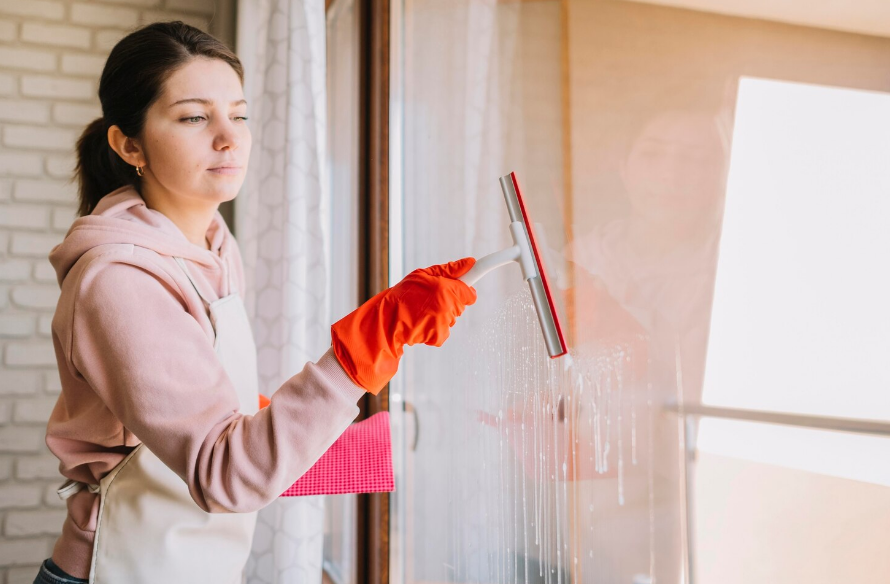
Clean windows can make a home or business look brighter, fresher, and better maintained. Over time, glass collects dust, pollen, fingerprints, water spots, pollution, and other residue that can reduce clarity and affect the overall appearance of a property. Regular window washing helps remove this buildup while allowing more natural light to enter the space.
Why Regular Window Washing Matters
Windows are exposed to the elements throughout the year. Rain can leave mineral deposits, while dust and airborne pollutants can settle on the glass and frames. If this buildup is ignored for long periods, certain deposits can become increasingly difficult to remove.
Routine cleaning can also help maintain the condition of windows. Pella notes that regular cleaning can help prevent damage, maintain proper operation, and extend window life. Clean glass also allows more sunlight into a property, which can make rooms feel brighter and more inviting.
For businesses, clean windows can contribute to a well-maintained appearance. For homeowners, they can improve curb appeal and make everyday views more enjoyable.
What You Need for Effective Window Washing
Getting professional-looking results does not necessarily require a large collection of equipment. A few basic tools can make the process considerably easier.
Useful supplies include:
- A bucket
- Mild dish soap or suitable glass cleaner
- A window scrubber
- A quality rubber squeegee
- Microfiber cloths
- A soft brush or duster
- An extension pole for reachable high windows
- Cleaning gloves
- Safety glasses when appropriate
A squeegee is particularly useful because it removes cleaning solution from the glass efficiently and helps reduce streaks. Microfiber cloths can be used to clean edges and remove remaining moisture.

How to Wash Windows Properly
The process becomes much easier when you follow a consistent sequence.
1. Remove Loose Dirt First
Start by brushing or wiping away cobwebs, dust, insects, and loose debris from the glass, frame, sill, and surrounding areas. Removing dry dirt first can help prevent it from being dragged across the glass during washing.
2. Apply a Mild Cleaning Solution
Use an appropriate window-cleaning solution and avoid excessive amounts of soap. Too much cleaning product can leave residue behind and make streak-free results harder to achieve.
For many ordinary windows, warm water combined with a small amount of mild dish soap can be sufficient. Always check the manufacturer’s recommendations for specialty glass, coatings, or frames.
3. Scrub the Glass
Use a soft scrubber to distribute the solution across the window. Work systematically so that every section receives attention, particularly around corners and edges where dirt tends to accumulate.
4. Use the Squeegee
Starting near the top, use the squeegee to remove the cleaning solution. Keep your strokes controlled and wipe the blade between passes when necessary. A clean rubber blade helps achieve a clearer finish.
5. Detail the Edges
Use a clean microfiber cloth to remove moisture around the edges, corners, and frame. This final step helps eliminate small drips and leftover marks.
How Often Should Windows Be Washed?
There is no single schedule that works for every property. Cleaning frequency depends on weather, location, surrounding pollution, landscaping, traffic, and how quickly dirt accumulates.
For general household maintenance, cleaning windows around twice a year is a commonly recommended starting point. Properties exposed to heavy dust, construction, coastal conditions, or significant environmental buildup may require more frequent attention.
The important thing is to establish a routine rather than waiting until the glass becomes heavily stained.
Common Window Washing Mistakes
Several simple mistakes can make a window-cleaning project take longer or produce poor results.
One common problem is using too much cleaning solution. Another is cleaning glass in conditions where the solution dries too quickly. Dirty cloths and worn squeegee blades can also leave marks.
Using abrasive materials can potentially scratch glass or damage surfaces. It is also important to avoid aggressive cleaning methods on delicate frames, coatings, seals, and specialty windows.
Safety Should Always Come First
Window washing becomes more challenging when windows are high, difficult to reach, or located above slippery surfaces. Ladders should be used carefully and according to their manufacturer’s instructions.
If a window requires unsafe stretching, climbing, or working at significant height, hiring a qualified professional can be a safer alternative. Professional window washers can use specialized equipment and access methods for difficult areas.
When Professional Window Washing Makes Sense
Professional service can be especially useful for large homes, commercial buildings, multi-story properties, and windows that are difficult to access. Professionals typically have specialized tools and experience for handling stubborn buildup, large numbers of windows, and challenging access points.
Hiring a professional can also save considerable time when a property has many windows or when a thorough cleaning is needed. Rather than spending hours working through each window, property owners can have the job handled systematically.
Final Thoughts
Regular window washing is a simple part of property maintenance that can make a noticeable difference. Clean glass improves visibility, enhances the appearance of a property, and allows more natural light into interior spaces. With the right tools and careful technique, many accessible windows can be maintained effectively. For high, difficult, or heavily soiled windows, professional assistance can provide a safer and more efficient solution. A consistent cleaning routine ultimately helps keep windows looking clear while supporting the overall appearance and maintenance of the property.
Frequently Asked Questions About Window Washing
1. How often should windows be washed?
For most homes, windows can be washed about twice a year. Properties exposed to heavy dust, pollution, storms, or construction may need more frequent cleaning.
2. What is the best way to wash windows without streaks?
Use a suitable cleaning solution, a clean scrubber, and a good-quality squeegee. Remove excess water with overlapping squeegee strokes and finish the edges with a clean microfiber cloth.
3. Can I wash my windows with regular household products?
Yes. Mild dish soap mixed with water can work well for many standard windows. Avoid harsh chemicals or abrasive materials that could damage glass, frames, seals, or special coatings.
4. Should I hire a professional window washing service?
Professional service can be useful for high, hard-to-reach, large, or heavily soiled windows. Professionals also have specialized equipment that can make the job safer and more efficient.
5. What time of day is best for washing windows?
A cool, cloudy day is generally preferable because direct sunlight can cause cleaning solutions to dry quickly on the glass, potentially leaving streaks or spots.
6. Does window washing improve curb appeal?
Yes. Clean windows can make a property appear brighter, cleaner, and better maintained. This can be particularly noticeable when preparing a home or commercial property for visitors or potential buyers.