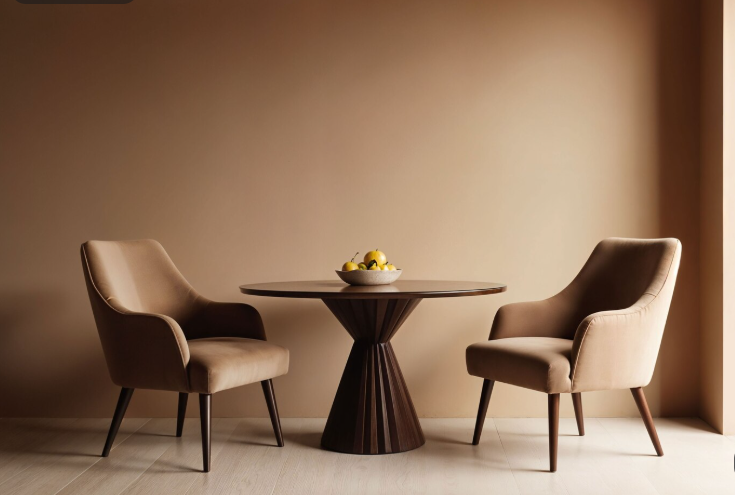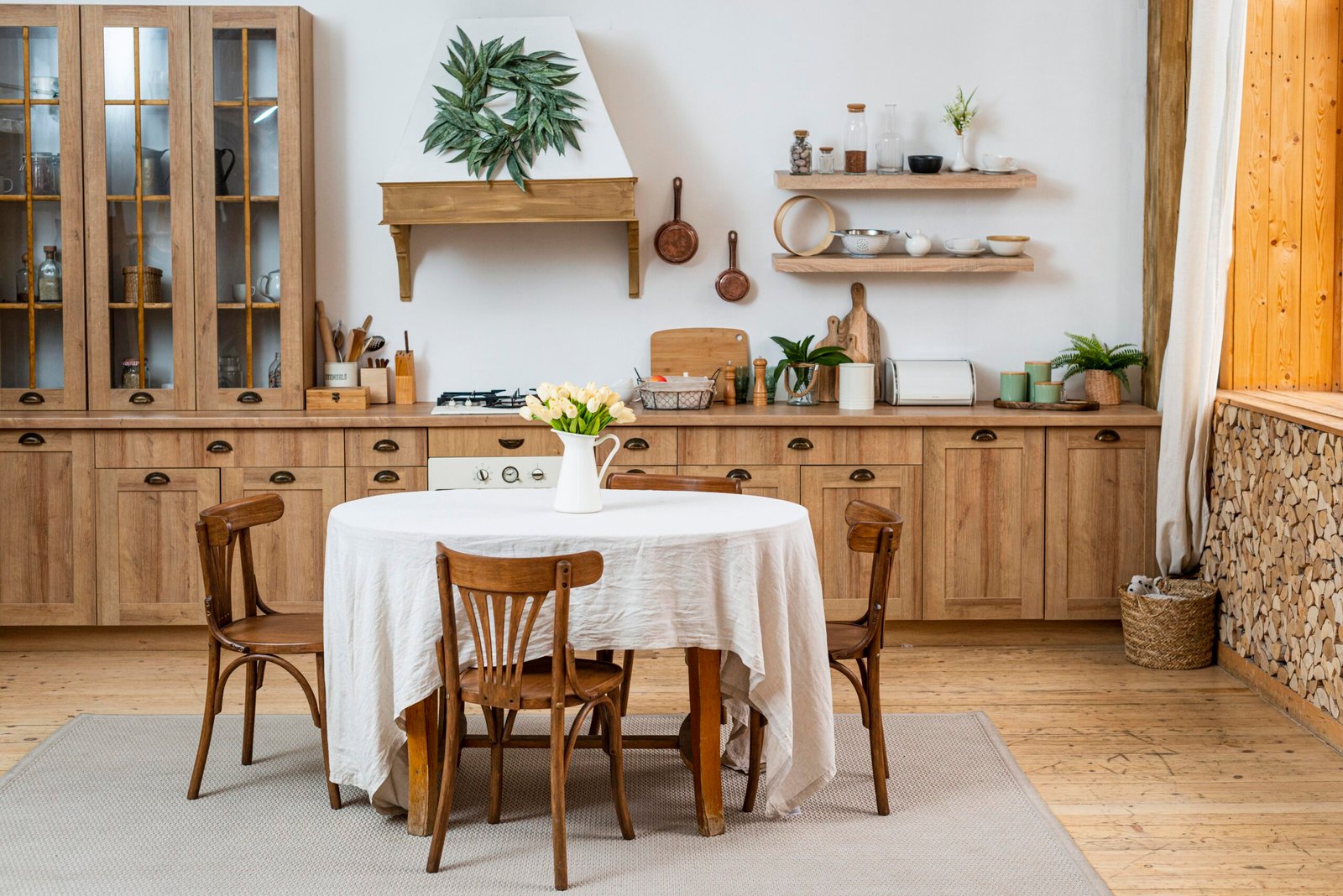
A kitchen is more than a place to prepare meals. It is where families gather for breakfast, enjoy conversations over dinner, and create everyday memories. Choosing the right furniture can make this space feel more comfortable, practical, and welcoming. Kitchen table and chairs rustic designs are an excellent choice for homeowners who appreciate natural materials, timeless craftsmanship, and a cozy atmosphere.
Rustic kitchen furniture combines traditional charm with practical functionality. From solid wood dining tables and farmhouse chairs to reclaimed timber designs and industrial-style seating, rustic furniture offers plenty of options for different homes. Whether you have a country-style kitchen, a modern apartment, or an open-plan dining area, the right rustic table and chairs can enhance your interior décor.
In this guide, we will explore popular rustic kitchen furniture styles, materials, table sizes, decorating ideas, buying tips, maintenance recommendations, and frequently asked questions to help you create a beautiful dining space.
What Are Rustic Kitchen Tables and Chairs?
Rustic kitchen tables and chairs are dining furniture pieces characterized by natural textures, sturdy construction, earthy colors, and traditional design details. Many rustic sets feature visible wood grain, distressed finishes, handcrafted elements, or simple shapes inspired by country homes.
Unlike highly polished contemporary furniture, rustic furniture often celebrates the natural appearance of its materials. Small variations in wood grain and finish can contribute to its distinctive character.
Common features include:
- Natural wood finishes and visible grain patterns.
- Solid, sturdy table legs and supportive chair frames.
- Distressed, weathered, or reclaimed wood details.
- Neutral colors such as brown, cream, white, and grey.
- Traditional chairs, benches, or mixed seating arrangements.
- Simple designs that complement farmhouse and country interiors.
Rustic kitchen furniture is available in traditional, modern farmhouse, industrial, and contemporary styles, making it suitable for many different decorating preferences.
Benefits of Choosing Rustic Kitchen Table and Chairs
1. Creates a Warm and Welcoming Atmosphere
Rustic furniture brings a natural, comfortable feeling to the kitchen. Wooden surfaces, earthy colors, and textured finishes create an inviting environment for family meals and casual gatherings.
A wooden dining table can become the centerpiece of the room, while coordinating chairs help create a balanced and cohesive appearance.
2. Offers Timeless Interior Style
Rustic furniture draws inspiration from traditional craftsmanship and natural materials. Its simple shapes and warm finishes can remain attractive even as other decorating trends change.
You can refresh the room with new cushions, lighting, table linens, or wall decorations without replacing the entire dining set.
3. Provides Practical Everyday Functionality
A well-constructed rustic kitchen table can serve multiple purposes. In addition to dining, it can provide a convenient place for homework, meal preparation planning, working from home, and entertaining guests.
Larger tables offer generous surface space, while compact designs suit breakfast nooks and smaller kitchens.
4. Complements Different Interior Styles
Rustic kitchen tables and chairs work well with farmhouse, country, industrial, Scandinavian, and transitional interiors.
For example, a natural oak table can complement white cabinets, while a reclaimed wood tabletop with black metal legs creates an industrial-inspired look.
5. Offers Flexible Seating Options
Rustic dining sets are available with matching wooden chairs, upholstered seating, benches, or combinations of different styles.
A bench can provide flexible seating for family gatherings, while upholstered chairs may be preferable for people who spend longer periods at the dining table.
Popular Types of Rustic Kitchen Tables and Chairs
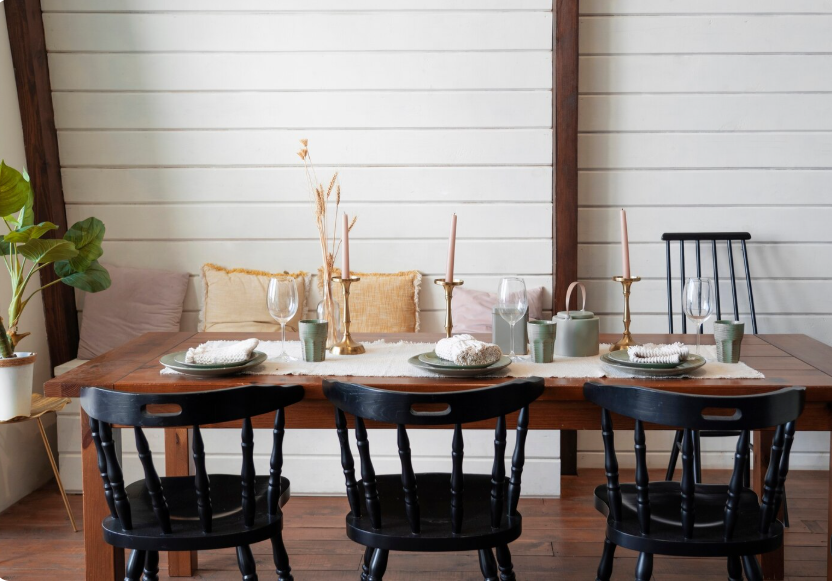
Solid Wood Rustic Dining Sets
Solid wood dining sets are a classic choice for rustic interiors. Materials such as oak, maple, and pine provide distinctive grain patterns and a natural appearance.
These sets can feature thick tabletops, substantial legs, and simple chair designs that emphasize craftsmanship.
Choose a finish that complements your kitchen cabinets and flooring. Natural wood creates a warm appearance, while darker stains add richness and contrast.
Farmhouse Rustic Kitchen Tables
Farmhouse dining tables are among the most recognizable rustic furniture styles. They often feature rectangular tabletops, sturdy legs, and natural or distressed finishes.
Pair a farmhouse table with matching wooden chairs for a traditional appearance, or introduce upholstered chairs to create a more contemporary look.
Rustic Kitchen Table With Bench Seating
A rustic dining table with a bench offers a casual and practical seating arrangement. Benches can often slide beneath the table when not in use, helping preserve floor space.
This configuration works particularly well in family kitchens, breakfast areas, and open-plan homes.
Before purchasing, check that the bench provides adequate legroom and can be moved easily when people need to sit down.
Reclaimed Wood Dining Tables
Reclaimed wood tables feature timber recovered from previously used structures or furniture. They often have distinctive grain patterns, knots, and variations in color.
These features make each table visually unique. However, reclaimed wood should be properly prepared and finished, and its construction should be inspected for stability and safety.
Rustic Industrial Kitchen Tables
Rustic industrial dining tables combine wood with metal frames, brackets, or legs. Black metal paired with natural timber creates a strong contrast that suits loft-style kitchens and modern homes.
This style can be complemented by metal chairs, simple pendant lights, and understated decorative accessories.
Rustic Round Kitchen Tables
Round rustic tables work well in smaller dining areas and square-shaped kitchens. Their curved edges create a softer appearance and encourage conversation.
A pedestal base can also provide more flexible legroom than a table with multiple legs around the perimeter.
Best Materials for Rustic Kitchen Furniture
Solid Wood
Solid wood remains a popular material for rustic dining furniture because of its natural appearance and versatility.
- Oak: Offers prominent grain patterns and good resistance to everyday wear.
- Pine: Often provides a lighter, more casual rustic appearance.
- Maple: Has a relatively subtle grain and suits understated designs.
- Walnut: Creates a richer, darker appearance for sophisticated interiors.
Actual performance depends on the wood species, construction, protective finish, and maintenance.
Reclaimed Wood
Reclaimed wood offers a weathered appearance and can support the reuse of existing materials. Its distinctive imperfections are often part of its appeal.
Check the quality of the timber, the stability of the table, and the finish before purchasing.
Metal
Metal is commonly used in rustic industrial furniture. Black metal legs and supports complement natural wood while providing a contrasting visual element.
Look for sturdy construction and a finish appropriate for everyday kitchen use.
Engineered Wood
Engineered wood can offer an affordable alternative to solid timber. Its appearance and durability depend on the core material, surface finish, and manufacturing quality.
Choose a product with suitable protective coatings and follow the manufacturer’s cleaning instructions.
Rustic Kitchen Table and Chairs: Size Guide
Selecting the right table size is essential for creating a comfortable dining area.
| Seating capacity | Common table shape | Suitable space |
|---|---|---|
| 2 people | Small round or square | Breakfast nook or apartment |
| 4 people | Round or rectangular | Small family kitchen |
| 6 people | Rectangular or oval | Medium dining area |
| 8 people | Large rectangular | Spacious family kitchen |
| 10 or more | Large or extendable table | Large dining room |
These are general guidelines. The number of people a table can seat depends on its dimensions, chair width, leg placement, and the amount of personal space required.
Where possible, leave approximately 36 inches between the table edge and nearby walls or furniture to allow chairs to move and people to walk comfortably.
How to Choose the Best Rustic Kitchen Table and Chairs
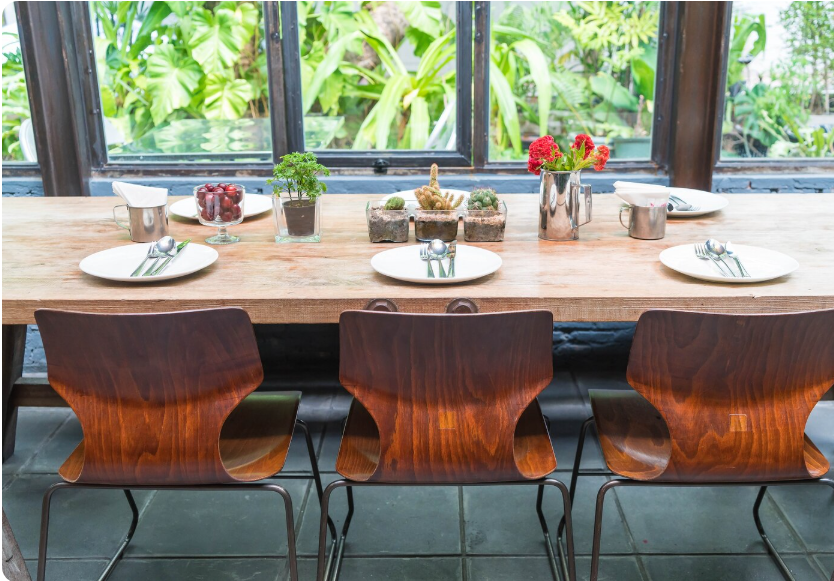
Measure Your Available Space
Measure the kitchen or dining area before choosing furniture. Account for doors, cabinets, appliances, kitchen islands, and walking paths.
A large rustic table may look attractive but can make a small kitchen difficult to navigate. Compact round tables and narrower rectangular designs may be better choices for limited spaces.
Select the Right Table Shape
Rectangular tables are suitable for longer rooms and larger households. Round tables work well in compact dining areas, while square tables can fit neatly into corners or small kitchens.
Choose a shape that complements the room’s layout and provides enough space for everyone to sit comfortably.
Prioritize Chair Comfort
Dining chairs should provide suitable seat height, back support, and adequate legroom. Wooden chairs create a traditional rustic appearance, while padded seats add comfort.
If you regularly host long meals, consider upholstered chairs or a combination of chairs and a bench.
Consider Construction Quality
Check the table’s legs, joints, frame, and tabletop stability. Chairs should stand evenly on the floor and feel sturdy when used.
For solid wood furniture, inspect the finish and ask about recommended maintenance. For engineered wood, check the surface coating and moisture-care instructions.
Coordinate Colors and Finishes
Choose furniture that works with your existing cabinets, flooring, and wall colors. Natural wood pairs well with cream and white, while dark finishes create contrast in brighter kitchens.
You do not need to match every wood tone exactly. A carefully balanced combination of complementary finishes can make the room feel more natural.
Rustic Kitchen Table and Chairs Style Comparison
| Style | Main characteristics | Best suited for |
|---|---|---|
| Traditional rustic | Natural wood and sturdy construction | Country-inspired homes |
| Modern farmhouse | Clean lines and warm wood finishes | Contemporary family kitchens |
| Rustic industrial | Wood surfaces and black metal frames | Loft-style interiors |
| Reclaimed wood | Weathered textures and distinctive grain | Eclectic rustic spaces |
| Scandinavian rustic | Light wood and simple shapes | Bright, minimalist kitchens |
| Rustic upholstered | Wooden frames with padded seats | Comfortable family dining |
Understanding these differences can help you choose a style that complements your home without making the space feel overly decorated.
Decorating Ideas for a Rustic Kitchen Dining Area
Add Warm Pendant Lighting
Pendant lights above the dining table can create a focal point and improve the atmosphere during meals. Black metal, aged finishes, and natural materials often complement rustic furniture.
Choose lighting that suits the table’s dimensions and provides enough illumination without creating glare.
Use a Natural Table Centerpiece
A ceramic vase, fresh flowers, a wooden serving tray, or a small arrangement of greenery can enhance the rustic appearance.
Keep the centerpiece low and proportionate to the tabletop so it does not interfere with meals or conversations.
Introduce Neutral Colors
Cream, beige, white, grey, and earthy brown work well with rustic furniture. These shades create a calm background that allows natural wood textures to stand out.
For additional color, consider muted green, dusty blue, or terracotta accessories.
Add a Rug Beneath the Table
A rug can help define the dining area in an open-plan kitchen. Choose a size that allows chairs to remain on the rug when pulled away from the table.
Low-pile rugs are often easier to clean and move chairs across than thick, high-pile designs.
Mix Wood and Metal Accents
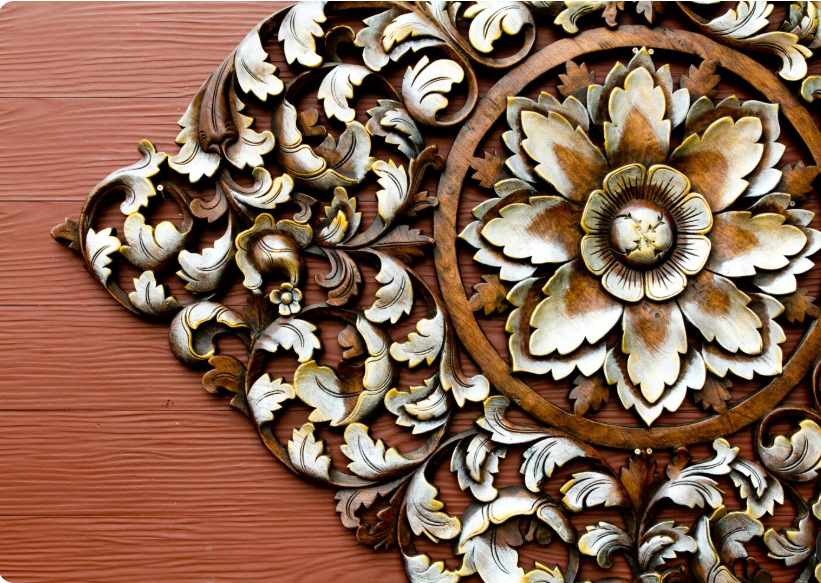
Combine wooden furniture with metal lighting, black cabinet hardware, or simple decorative accessories. This contrast can create a modern rustic appearance without overwhelming the room.
Decorate the Walls
Botanical prints, understated mirrors, framed artwork, and rustic wall décor can complement the dining set.
Keep wall decorations balanced, particularly in smaller kitchens where too many objects can make the room feel crowded.
Cleaning and Maintenance Tips
Proper care helps maintain the appearance and functionality of rustic kitchen furniture.
- Dust regularly: Use a soft cloth to remove dust from the tabletop and chair frames.
- Clean spills promptly: Wipe away food and liquids to reduce staining and moisture damage.
- Use suitable cleaning products: Follow the manufacturer’s instructions for wood, metal, and upholstery.
- Protect the tabletop: Use placemats, coasters, and trivets to minimize scratches and heat marks.
- Avoid excessive moisture: Standing water can damage certain wood finishes and engineered surfaces.
- Check joints and fasteners: Inspect the table and chairs periodically for looseness.
- Maintain upholstered seating: Vacuum fabric regularly and clean stains according to the upholstery instructions.
- Protect the floor: Use suitable floor protectors beneath table and chair legs.
Remember that distressed finishes may intentionally include color variations and marks. Follow the manufacturer’s recommendations before attempting repairs or refinishing.
Common Mistakes to Avoid When Buying Rustic Kitchen Furniture
One common mistake is choosing a table that is too large for the kitchen. Rustic furniture can have substantial legs and thick tabletops, so measuring the space is especially important.
Another mistake is selecting furniture based only on appearance. Construction quality, chair comfort, cleaning requirements, and the finish are equally important.
Avoid mixing too many competing styles. Combining rustic wood, metal accents, and neutral fabrics can create a balanced interior, but too many contrasting finishes may make the room look cluttered.
Finally, consider your household’s daily routine. Families with young children may benefit from durable finishes and easy-to-clean seating, while frequent entertainers may prefer a larger or extendable table.
Key Points to Remember
- Rustic kitchen tables and chairs create a warm, welcoming dining environment.
- Solid wood, reclaimed wood, metal, and engineered wood offer different benefits.
- Farmhouse, industrial, and Scandinavian rustic designs suit different interiors.
- Measure the dining area before selecting the table and seating.
- Choose comfortable chairs and allow sufficient clearance around the furniture.
- Pendant lighting, neutral colors, and natural accessories enhance rustic décor.
- Regular cleaning and appropriate maintenance help preserve furniture quality.
Frequently Asked Questions (FAQs)
1. What is the best wood for a rustic kitchen table?
Oak is a popular choice because of its distinctive grain and resistance to everyday wear. Pine can offer a lighter, more casual appearance, while walnut provides a darker and richer finish. The best option depends on your budget, preferred style, and maintenance needs.
2. Are rustic kitchen tables suitable for modern homes?
Yes. Modern rustic furniture combines natural wood textures with clean lines and contemporary finishes. Pairing a rustic table with modern lighting, neutral walls, and simple chairs creates an attractive balance between traditional and contemporary design.
3. Should I choose chairs or a bench for a rustic dining table?
Traditional chairs provide individual seating and back support, while benches offer flexible seating and can often slide beneath the table. A combination of chairs and a bench can be practical for casual family dining.
4. How do I maintain a rustic wooden kitchen table?
Dust regularly, wipe spills promptly, use placemats and coasters, and follow the manufacturer’s care instructions. Avoid harsh cleaning products and prolonged exposure to moisture that could damage the finish.
5. What colors go best with rustic kitchen tables and chairs?
Natural brown, white, cream, beige, grey, and muted green all complement rustic wood. Choose colors that coordinate with your cabinets, walls, and flooring to create a balanced and welcoming dining area.