
A chairside table is a small but highly useful piece of furniture designed to sit beside an armchair, accent chair, recliner, or sofa. It provides a convenient surface for everyday items such as books, coffee cups, phones, lamps, remotes, and decorative accessories. Because these tables take up relatively little space, they can improve both the functionality and appearance of a room without making it feel crowded.
What Is a Chairside Table?
Chairside tables are sometimes called end tables or side tables. Their main purpose is to keep frequently used items within easy reach while complementing the furniture around them.
Unlike a large coffee table, a chairside table is designed for a specific seating area. It can be particularly useful in a reading corner, living room, bedroom, home office, or lounge area.
A well-chosen table should be stable, appropriately sized, and positioned close enough to the chair for comfortable use.
Why Chairside Tables Are Useful
One of the biggest advantages of a chairside table is convenience. Instead of placing your phone, drink, book, or remote on the floor or walking across the room to find a surface, everything can remain within reach.
They can also help define individual areas within a larger room. For example, placing a comfortable chair beside a small table and floor lamp can create a dedicated reading corner.
For smaller homes and apartments, compact furniture is especially useful because it provides functionality without requiring the space of a larger cabinet or table.
Choosing the Right Size
Size should be one of the first things you consider. Before purchasing, measure the available space beside your chair and consider nearby furniture, doors, and walking paths.
The height is particularly important. A chairside table that is roughly level with the chair’s armrest generally feels comfortable to use because items can be reached without excessive bending or stretching.
Consider these measurements before buying:
- Available floor width
- Table height
- Table depth
- Chair arm height
- Clearance around the furniture
- Space needed for opening drawers or doors
A compact room may benefit from a narrow table, while a larger lounge area can accommodate a wider design.
Popular Chairside Table Materials
Solid Wood
Solid wood tables offer a warm, timeless appearance and can work with traditional, rustic, contemporary, or modern interiors. Common choices include mango, sheesham, teak, and other hardwoods.
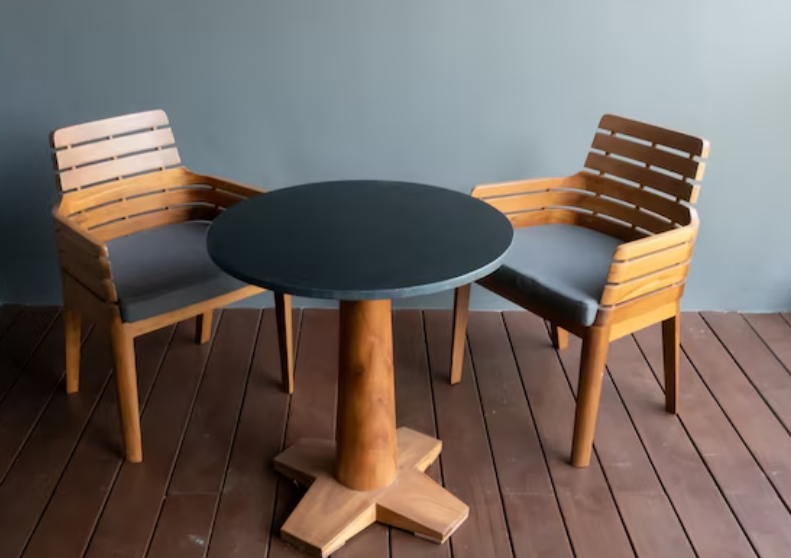
They can also be practical for everyday use when properly maintained. However, buyers should check the actual material specification rather than assuming that a product marketed as “wooden” is made from solid wood.
Metal
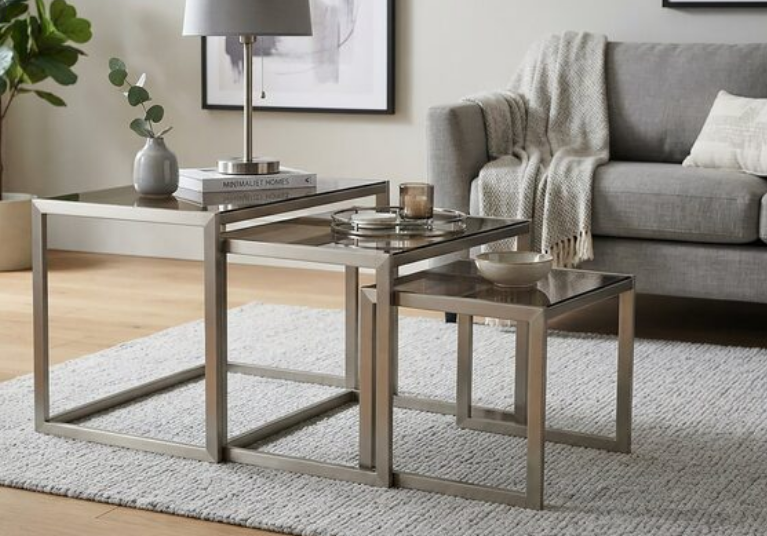
Metal chairside tables can create a contemporary appearance and often work well with minimalist or industrial interiors. They can also be paired with glass or wooden tops for a mixed-material design.
Glass
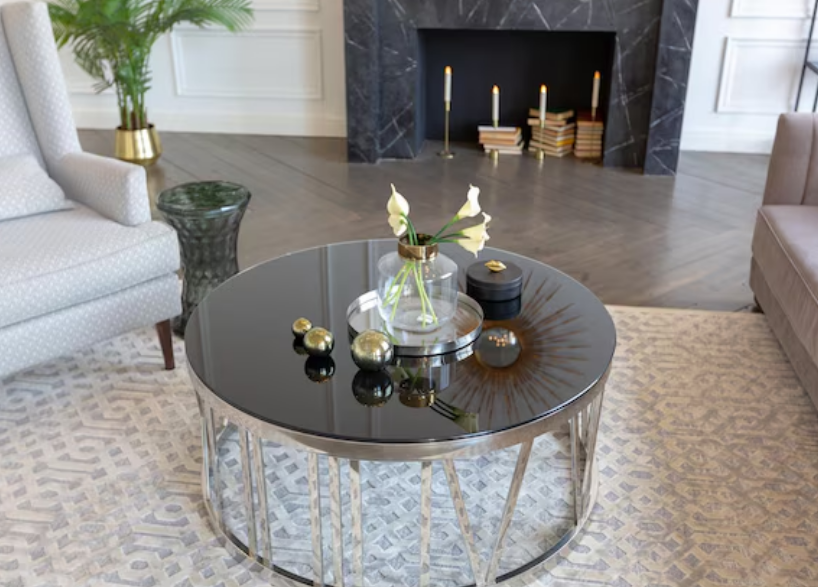
Glass-top tables can make a room feel visually lighter. They are particularly suitable when you want a table that provides functionality without appearing bulky.
Engineered Wood
Engineered wood can provide an affordable alternative to solid wood. When choosing this option, check the construction, surface finish, weight capacity, and manufacturer’s specifications.

Chairside Tables With Storage
If you want your furniture to provide more than a tabletop, consider a design with drawers, shelves, or cabinets.
A drawer can hold smaller items such as chargers, keys, glasses, and remotes, while an open shelf can provide space for books or decorative pieces.
Storage is especially useful when the table is positioned in a frequently used area where keeping surfaces organized is important.
Styling Your Chairside Table
A chairside table does not need to be overloaded with accessories. A simple arrangement can often look more attractive and remain more functional.
Try combining a small table lamp with a book, plant, candle, or decorative object. Leave enough empty surface area for practical items such as a cup or phone.
The table should also complement the surrounding furniture. Matching wood tones or repeating materials can create visual consistency, while contrasting finishes can make the table stand out as an accent piece.
Where Can You Use Chairside Tables?
Chairside tables are versatile enough for several areas of the home.
Living room: Place one beside an accent chair or sofa to hold drinks, books, remotes, or lighting.
Reading corner: Combine a comfortable chair, chairside table, and lamp to create a dedicated reading space.
Bedroom: A compact side table can work beside a chair placed near a window or dressing area.
Home office: Use a small table as an additional surface for notebooks, accessories, or personal items.
Guest room: A simple table can provide visitors with a convenient place for phones, books, and other belongings.
Common Buying Mistakes to Avoid
One common mistake is choosing a table based entirely on appearance. A beautiful design may not work if it is too tall, too low, too deep, or difficult to access.
Another mistake is ignoring walking clearance. Measure the surrounding area before purchasing, particularly in hallways and compact rooms.
It is also worth checking stability, construction quality, material specifications, finish, and maintenance requirements.
Final Thoughts
The right chairside table can make a seating area more practical while adding another layer of style to your interior. Focus on proportions, placement, material, storage requirements, and overall design rather than choosing a table based only on appearance. With the right combination of size and functionality, a small table can become an important part of a comfortable and well-organized living space
Frequently Asked Questions About Chairside Tables
1. What is a chairside table?
A chairside table is a compact table designed to sit beside a chair, recliner, or sofa. It provides convenient space for items such as books, drinks, lamps, phones, and remote controls.
2. What height should a chairside table be?
Ideally, the tabletop should be close to the height of the chair’s armrest. This makes it easier to reach everyday items comfortably without bending or stretching.
3. What can I put on a chairside table?
You can place a table lamp, books, coffee cup, phone, remote control, small plant, decorative accessories, or other frequently used items on the table.
4. Are chairside tables suitable for small rooms?
Yes. Their compact size makes them useful in apartments, small living rooms, bedrooms, and reading corners where a larger table may take up too much space.
5. Should I choose a chairside table with storage?
A table with drawers, shelves, or cabinets can be a good choice if you need additional storage for books, chargers, remotes, glasses, or other small items.
6. Which material is best for a chairside table?
The best material depends on your interior style, budget, and usage. Wood offers a warm appearance, metal suits modern interiors, while glass can create a lighter visual effect.
7. Can a chairside table be used as a bedside table?
Yes. A compact chairside table can also work as a bedside table if its height, width, storage, and surface area are suitable for the bedroom.
8. How do I choose the right chairside table?
Consider the available space, table height, width, depth, construction quality, storage needs, material, and how well the design complements your existing furniture.

One thought on “Chairside Tables A Practical Guide to Choosing the Right One for Your Home”