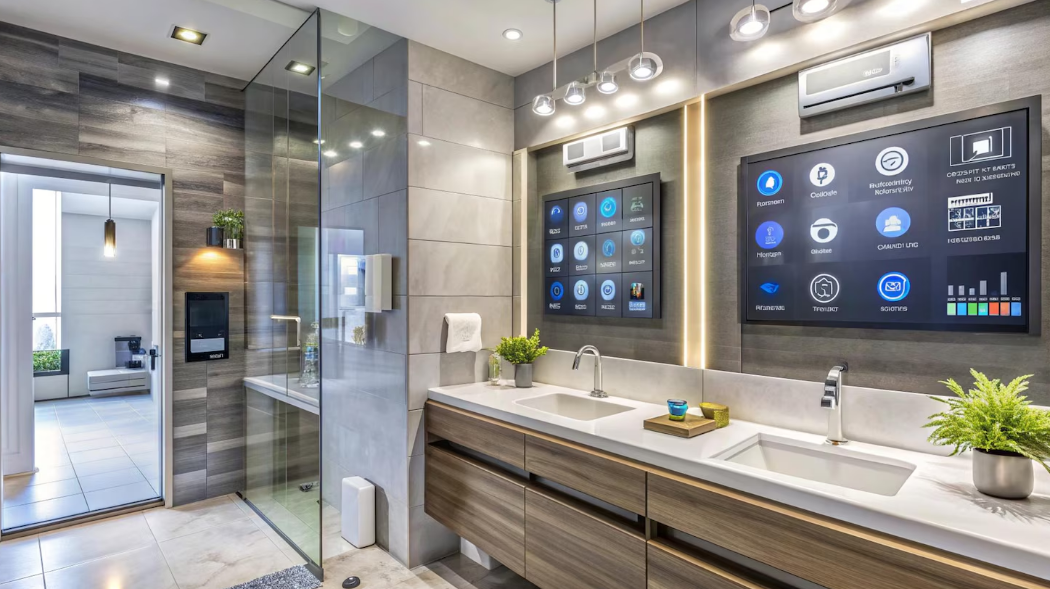
Bathroom lighting has moved far beyond a simple ceiling fixture. Today, homeowners are using decorative lighting to add character, warmth, and visual interest to bathrooms, and bathroom hanging pendant lighting is one of the most appealing options. Pendant lights can create a sophisticated focal point above a vanity, complement a modern mirror, or add a decorative touch to a spacious bathroom.
However, bathrooms are exposed to moisture and humidity, so pendant lighting needs more planning than lighting used in bedrooms or living rooms. The right fixture should combine attractive design with appropriate moisture protection, practical brightness, suitable proportions, and safe placement.
Why Choose Pendant Lighting for a Bathroom?
Pendant lights are particularly useful when you want your bathroom to feel more designed rather than purely functional. Unlike a standard flush-mounted ceiling light, a pendant introduces height and visual dimension.
A carefully selected pendant can work especially well around a vanity. Instead of relying entirely on one overhead fixture, pendant lighting can become part of a layered lighting scheme that combines general illumination with focused lighting around the mirror.
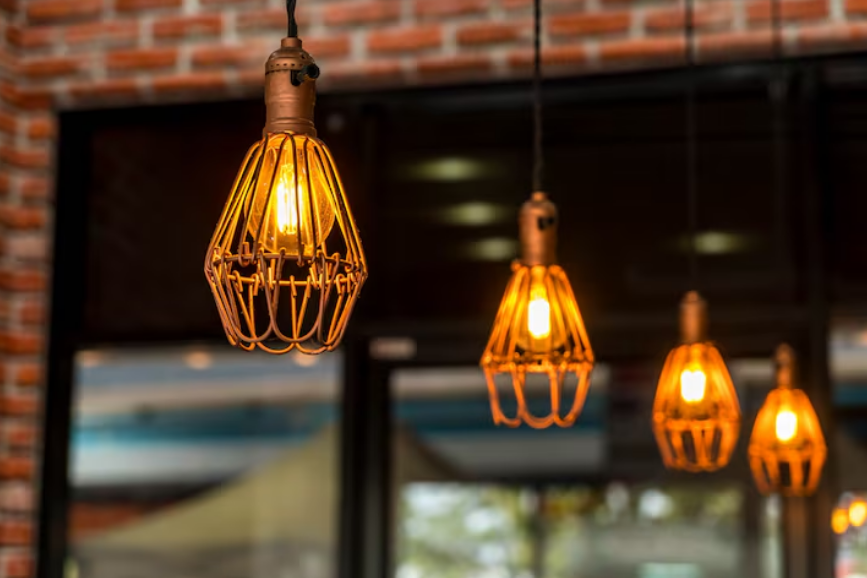
Pendant lights are also available in numerous shapes and finishes. Glass globes, metal shades, minimalist cylinders, vintage-inspired fixtures, and contemporary geometric designs can all complement different bathroom styles.
The key is to select a fixture that fits the room rather than choosing one based solely on appearance.
Where Should Bathroom Pendant Lights Be Installed?
Placement is one of the most important considerations. Pendant lights can look excellent beside or above a bathroom vanity, but their position should be planned around water sources and local electrical requirements.
For example, a pendant located near a sink may need a different moisture rating than a fixture positioned farther away in a dry portion of the room. Areas directly exposed to shower spray require much greater protection than relatively dry areas.
In the United States, electrical requirements can also restrict hanging fixtures around bathtubs and showers. Current guidance notes that cord-, chain-, or cable-suspended fixtures may be prohibited within specified distances of a tub or shower, so homeowners should check the electrical rules applicable to their location before installation.
When planning a bathroom renovation, it is therefore better to determine the lighting location first and select the fixture afterward.
Understanding Damp-Rated and Wet-Rated Lighting
One of the biggest mistakes homeowners make is assuming that any attractive pendant can be used in a bathroom.
Lighting fixtures are designed for particular environmental conditions. A dry-location fixture is intended for areas without significant moisture. A damp-rated fixture provides additional protection against humidity and limited moisture, while wet-rated fixtures are designed for locations where water can directly reach the fixture.
The appropriate rating depends on exactly where the pendant will be installed.
For bathrooms, always check the manufacturer’s specifications rather than relying on phrases such as “bathroom style” or “water-resistant.” IP ratings are also commonly used internationally to indicate protection against dust and water. In Indian bathrooms, for example, different bathroom zones can require different levels of protection.
A qualified electrician should confirm the appropriate fixture and installation requirements for your bathroom.
Best Pendant Styles for Different Bathrooms
Glass Globe Pendants
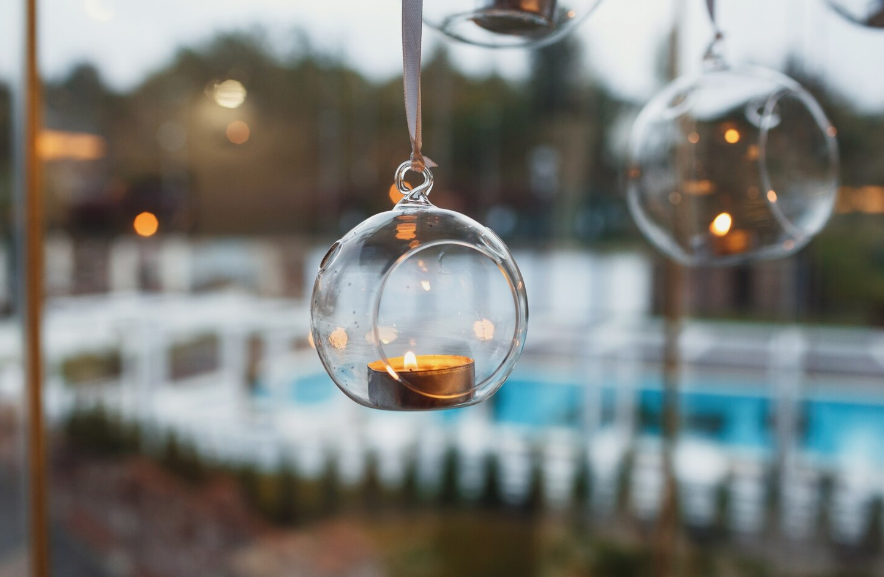
Glass globe pendants are a popular choice for contemporary bathrooms. Their rounded form can soften bathrooms dominated by straight tile lines and rectangular mirrors.
Clear glass provides a lighter appearance, while frosted or opal glass can reduce glare and produce softer illumination.
Minimalist Metal Pendants
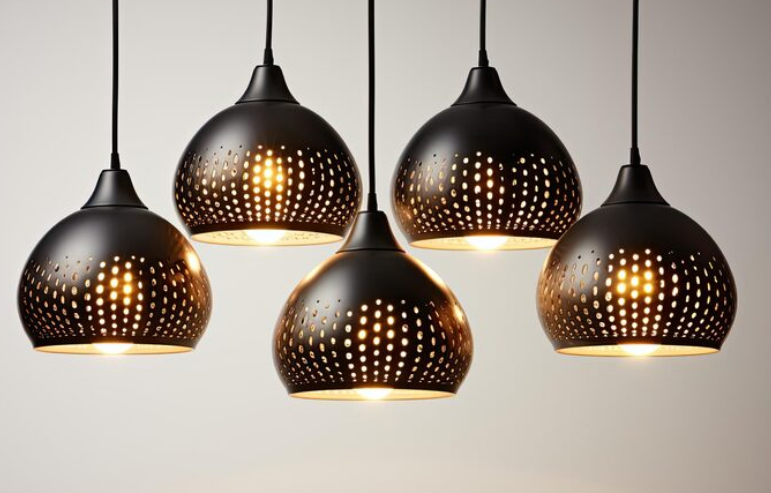
Black, brass, brushed nickel, and other metal finishes can create a clean modern appearance. These work especially well when the finish complements cabinet handles, faucets, towel bars, and other bathroom hardware.
Cluster Pendant Lighting
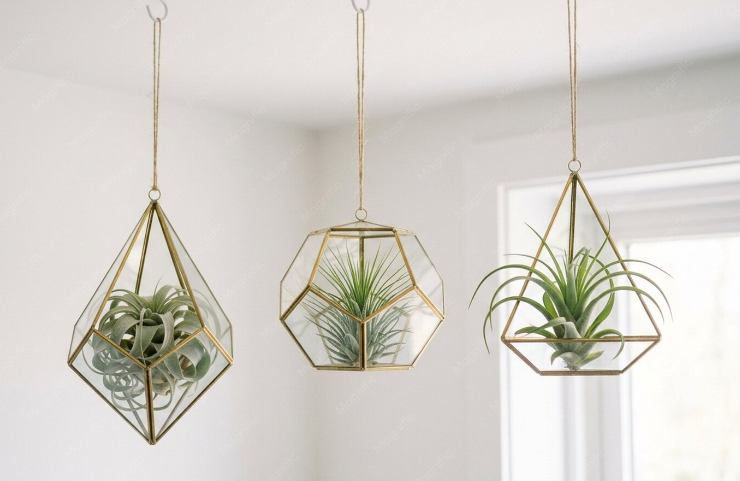
A group of small pendants can create a dramatic effect in a larger bathroom. Cluster arrangements work particularly well above long vanities where one small fixture may look undersized.
However, clustered fixtures should not interfere with mirrors, cabinets, doors, or normal movement through the room.
Decorative Pendant Lights
For powder rooms or guest bathrooms, decorative pendants can become a major design feature. Since powder rooms generally have fewer wet-area concerns than full bathrooms, homeowners may have greater flexibility, although electrical and location requirements still need to be followed.
Choosing the Right Size
Proportion matters just as much as style.
A very large pendant can overwhelm a compact bathroom, while a tiny pendant may disappear against a large vanity and mirror. Consider the width of the vanity, mirror dimensions, ceiling height, and surrounding furniture before choosing the fixture.
For a vanity, the pendant should enhance the mirror rather than compete with it. If you’re installing multiple pendants, leave enough visual space between them to prevent the arrangement from appearing crowded.
The fixture’s hanging height also deserves attention. A pendant that hangs too low can obstruct the mirror or become a safety concern, while one positioned too high may lose much of its decorative impact.
Think About Light Quality, Not Just Appearance
A beautiful pendant is not necessarily a good primary bathroom light.
Bathrooms need sufficient illumination for everyday activities such as shaving, applying makeup, washing, cleaning, and getting ready. Pendant lights can contribute to this illumination, but they often work best when combined with other fixtures.
Consider using:
- Ceiling lighting for general illumination
- Pendant or wall lighting around the vanity
- Mirror lighting for grooming
- Accent lighting for architectural details
- Low-level lighting for nighttime use
This layered approach creates a more comfortable and flexible bathroom environment. Lighting guidance for bathrooms commonly recommends separating general, task, and accent lighting rather than depending on one fixture for everything.
Choosing the Right Color Temperature
The color of light can dramatically change how your bathroom feels.
Warm white lighting can create a relaxing atmosphere, while neutral white lighting can provide a cleaner appearance and work well for grooming. Very cool lighting may feel harsh in some residential bathrooms.
For vanity areas, many lighting designers recommend a neutral range around 4000K because it provides a balance between comfortable ambiance and practical visibility. High color-rendering-quality bulbs can also help skin tones, tiles, towels, and other colors appear more naturally.
If your bathroom already has several light sources, try to keep their color temperatures reasonably consistent.
Common Bathroom Pendant Lighting Mistakes
Several mistakes can reduce both the appearance and usefulness of pendant lighting.
Choosing a fixture without checking its rating: Always verify whether the fixture is suitable for its intended location.
Installing it too close to water: Water and electricity require careful separation. Follow local electrical requirements and have installation handled by a qualified professional.
Ignoring glare: Exposed bulbs can create uncomfortable glare, particularly when reflected in a large mirror.
Choosing the wrong scale: A pendant should complement the size of the vanity and bathroom.
Using pendant lighting alone: A decorative pendant may not provide enough general or task lighting.
Forgetting ventilation: Good bathroom ventilation helps control humidity and can reduce moisture-related problems affecting fixtures and electrical components.
How to Create a Balanced Bathroom Lighting Design
The best bathroom lighting designs combine practicality with visual appeal. Start by identifying the areas that require illumination, such as the vanity, shower, bathtub, and circulation areas. Then determine where decorative lighting can add character without compromising safety.
For a modern vanity, two smaller pendants can sometimes provide a more balanced appearance than one oversized fixture. In another bathroom, a single sculptural pendant may work better as a focal point.
The important thing is to coordinate the pendant with the mirror, vanity, hardware, tiles, and overall interior style.
Final Thoughts
Bathroom pendant lighting can transform an ordinary space into a more polished and inviting room. The right design adds visual interest while supporting everyday activities, but appearance should never be the only consideration. Moisture ratings, placement, scale, brightness, glare, and local electrical requirements all need to be considered before installation. By combining decorative pendants with appropriate ambient and task lighting, you can create a bathroom that feels stylish, comfortable, and functional. Always confirm location-specific electrical requirements with a qualified professional before installing a hanging fixture near water.
Frequently Asked Questions
1. Are pendant lights suitable for bathrooms?
Yes. Pendant lights can work well in bathrooms when the fixture has the appropriate moisture rating and is installed in a suitable location away from areas where it could be directly exposed to water.
2. Where is the best place to install a bathroom pendant light?
Pendant lights are commonly used around bathroom vanities, beside mirrors, or in other suitable areas where they can provide decorative and functional illumination. The exact placement should follow local electrical safety requirements.
3. What type of pendant light is best for a bathroom?
Glass globe, frosted glass, minimalist metal, and contemporary pendant designs are popular choices. The most important factor is that the fixture is rated for the moisture conditions of its intended location.
4. Can pendant lighting be used as the main bathroom light?
It can contribute to general illumination, but a single pendant may not provide enough light for the entire bathroom. Combining pendant lighting with ceiling, mirror, or task lighting usually creates a more balanced lighting scheme.
5. What color temperature is best for bathroom pendant lighting?
Neutral white lighting around 3500K–4000K is commonly suitable for bathrooms because it provides clear visibility while maintaining a comfortable appearance. The ideal temperature ultimately depends on the bathroom’s design and the atmosphere you want to create.