Fashion is not about following every trend—it’s about understanding what works best for you. Body-type styling helps people dress in a way that enhances their natural shape, boosts confidence, and creates a balanced, flattering look. Every body is unique, and there is no “perfect” shape. The key to great style is knowing how to work with your body rather than against it.
Understanding Body-Type Styling
Body-type styling is the art of choosing clothing that complements your body’s proportions. Instead of trying to change your shape, styling focuses on highlighting strengths and creating visual balance. When you understand your body type, shopping becomes easier, outfits feel more comfortable, and your personal style becomes more confident and intentional.
It’s important to remember that body types are general guides, not strict rules. People may relate to more than one category, and that’s completely normal. The goal is not limitation, but empowerment.
Common Body Types
Most body-type styling is based on a few common shapes:
- Hourglass – Balanced shoulders and hips with a defined waist
- Pear (Triangle) – Wider hips with narrower shoulders
- Apple (Round) – Fuller upper body with slimmer legs
- Rectangle – Similar width at shoulders, waist, and hips
- Inverted Triangle – Broader shoulders with narrower hips
Each body type has its own styling strengths, and learning how to highlight them can transform the way clothes look and feel.
Styling Tips for Different Body Types
Hourglass Body Type
This shape is naturally balanced, so the focus is on defining the waist. Fitted tops, wrap dresses, and belts work well. Avoid overly loose clothing that hides your shape. Structured outfits help maintain proportion while enhancing curves.
Pear Body Type
For pear-shaped bodies, the goal is to balance the upper and lower body. Brighter colors, patterns, or statement sleeves on top can draw attention upward. A-line skirts, straight-cut pants, and darker colors on the lower half create a streamlined look.
Apple Body Type
Apple shapes benefit from outfits that create length and structure. V-neck tops, empire-waist dresses, and flowy fabrics help draw attention away from the midsection. Well-fitted bottoms and layered looks add balance and elegance.
Rectangle Body Type
This shape works well with styling that creates curves. Layering, ruffles, peplum tops, and belts can add dimension. High-waisted bottoms and cropped jackets help define the waist and give structure to outfits.
Inverted Triangle Body Type
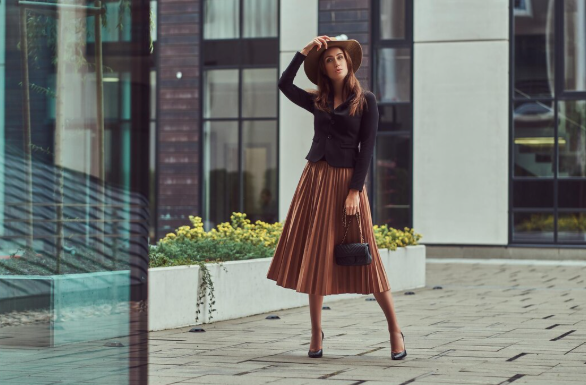
\For this body type, balance is key. Simple tops paired with wide-leg pants, pleated skirts, or flared jeans help create proportion. Avoid heavy detailing on the shoulders, and focus on adding volume to the lower half.
The Role of Fit and Fabric
No matter your body type, fit is everything. Even the most stylish outfit can look off if it doesn’t fit properly. Clothes that skim the body—not too tight and not too loose—are usually the most flattering.
Fabric also plays an important role. Stiff fabrics add structure, while soft fabrics create flow. Choosing the right fabric can make an outfit look polished, comfortable, and stylish.
Confidence Is the Best Style
Body-type styling is not about hiding flaws—it’s about celebrating individuality. Fashion should make you feel confident, comfortable, and expressive. When you dress in a way that suits your body, your confidence naturally shines through.
Trends come and go, but personal style lasts. Learning how to dress for your body type gives you a foundation that allows you to experiment with fashion while still feeling like yourself.
Conclusion
“The Perfect Fit: A Guide to Body-Type Styling” is about understanding that great style starts with self-awareness. Every body type is beautiful, and fashion is a tool to express that beauty. By learning how to choose clothes that complement your shape, you can create outfits that feel effortless, flattering, and uniquely you. When fashion fits your body, confidence follows—and that is the true definition of style.