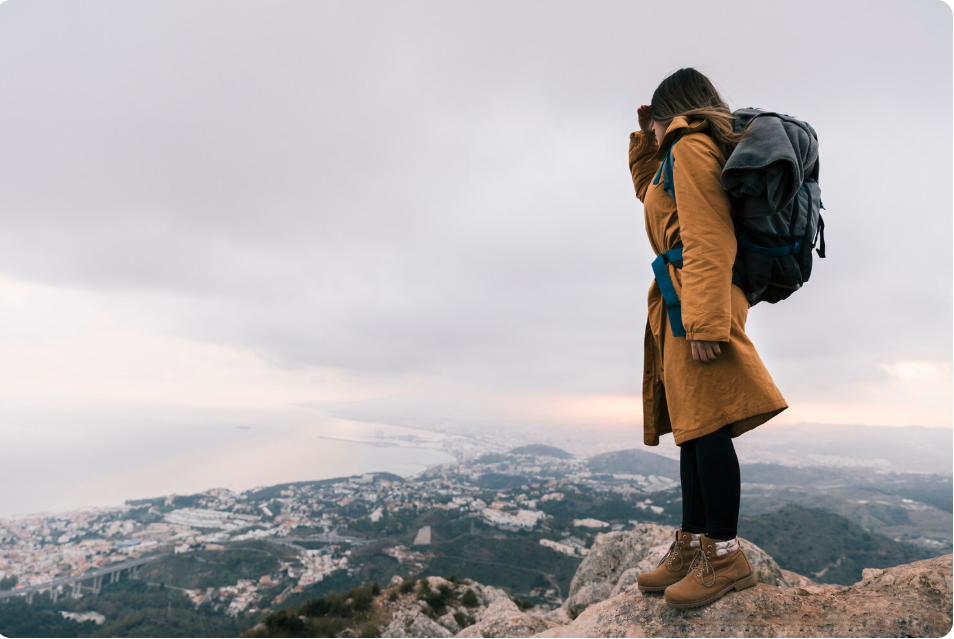
Backpacking is more than just a travel style—it’s a mindset. It’s about exploring the world with freedom, flexibility, and a sense of adventure, often on a budget. Whether you’re hiking through remote trails, navigating bustling cities, or discovering hidden gems off the beaten path, backpacking offers a unique way to connect with people, cultures, and nature.
What Makes Backpacking Special
Backpacking emphasizes independence and simplicity. Travelers carry only the essentials in a backpack, allowing mobility and spontaneity. Unlike traditional tourism, it encourages immersing oneself in local experiences, discovering hidden spots, and connecting with fellow travelers.
The charm of backpacking lies in its unpredictability. Each journey is shaped by personal choices, from destinations and routes to accommodations and activities. It’s an adventure tailored to your own pace and interests.
Planning Your Backpacking Trip
Although backpacking is flexible, careful planning ensures safety and enjoyment. Here’s how to start:
- Research destinations: Identify countries or regions suited for backpacking, considering budget, safety, and travel logistics.
- Map your route: Plan major stops but allow room for spontaneity. Overplanning can reduce the freedom that makes backpacking special.
- Check visa requirements: Some countries require visas or permits for entry.
- Health precautions: Vaccinations, travel insurance, and a basic first-aid kit are essential for long-term trips.
A well-planned backpacking trip balances preparation with flexibility, providing structure without limiting adventure.
Packing Essentials
Packing light is crucial for backpacking. Choose versatile clothing, durable footwear, and weather-appropriate gear. Essentials include:
- Backpack with comfortable straps and good capacity
- Lightweight clothing suitable for multiple layers
- Travel-sized toiletries and first-aid kit
- Portable charger and essential electronics
- Water bottle, snacks, and reusable containers
- Maps, guidebooks, or travel apps
The goal is to pack efficiently, ensuring you have what you need without being weighed down by unnecessary items.
Accommodation Options
Backpackers often seek budget-friendly accommodations that encourage social interaction:
- Hostels: Offer affordable lodging, communal spaces, and opportunities to meet other travelers.
- Guesthouses: Provide a more local, authentic experience with homely amenities.
- Camping: Ideal for outdoor enthusiasts exploring national parks or remote areas.
- Couchsurfing: Connects travelers with locals offering free lodging, fostering cultural exchange.
Choosing accommodations that fit your budget and travel style enhances the backpacking experience.
Budgeting and Money Management
Backpacking is typically cost-conscious, requiring careful budgeting:
- Set daily budgets: Track accommodation, food, transport, and activities.
- Use local transport: Buses, trains, or shared rides save money and offer authentic experiences.
- Eat locally: Street food and local markets are affordable and offer cultural immersion.
- Travel off-peak: Avoiding peak seasons reduces costs and crowds.
Smart budgeting ensures you can extend your trip and enjoy more experiences without financial stress.
Safety and Health Tips
Backpacking often involves unfamiliar environments, so safety is paramount:
- Keep valuables secure and use anti-theft backpacks.
- Research local laws, customs, and travel advisories.
- Stay connected with friends or family and share your itinerary.
- Prioritize health—drink safe water, rest, and eat carefully to avoid illness.
Being cautious doesn’t limit adventure—it ensures you can enjoy your journey fully.
Embracing the Backpacking Experience
Backpacking is about more than sightseeing—it’s a lifestyle of exploration and connection:
- Meet fellow travelers: Hostels, tours, and social activities help you make lifelong friends.
- Engage with locals: Learn languages, traditions, and crafts to deepen your travel experience.
- Step out of your comfort zone: Take risks, try new foods, and embrace challenges.
- Document your journey: Journals, photos, or blogs capture memories and lessons learned.
The freedom of backpacking allows you to craft your adventure uniquely, creating experiences that are both personal and unforgettable.
Final Thoughts
Backpacking is the ultimate way to travel with independence, curiosity, and a sense of adventure. It challenges you, teaches resilience, and connects you with people and cultures around the world. By traveling light, planning smartly, budgeting wisely, and embracing the journey, backpacking transforms travel into an enriching, memorable experience.
Whether you’re trekking through mountains, exploring vibrant cities, or discovering remote villages, backpacking invites you to see the world authentically—one backpack, one adventure, and one story at a time.